Kilimanjaro: Routes, Realities & What Stays With You After the Climb
Climbing Kilimanjaro is high on the list for many hikers. People who have made it to the Roof of Africa often talk about the scale of the experience and the challenge of the ascent, but with so many routes up the mountain, it can still be hard to know what to expect until you’re actually there.
The Journey to Base Camp
For the most part, the hike up to base camp is relatively manageable, depending on the route you choose. You’ll usually be walking for around four to six hours a day, with the earlier stages giving your body time to acclimatise.
Once you get to camp and have settled in, it helps to stay gently active. Short walks around camp, some stretching, or even a bit of yoga can all help. The more time you spend moving and breathing, the better your body can adjust to the altitude.
By the time you reach base camp, you’ll be around 4,600 metres above sea level, and if you haven’t already felt the effects of altitude, this is often where they begin to show. At this point, it helps to slow everything down, drink plenty of water, and eat little and often. Most people will head to bed early before the summit attempt, but don’t worry too much if sleep doesn’t come easily. Excitement tends to play its part.

Kilimanjaro Summit Night: What to Expect
You’re going to feel clumsy
Even simple tasks, like reaching for your water bottle, can suddenly feel like more effort than they should. A camelback can make life easier here. The air is thinner at altitude, which means you lose more fluid just by breathing, so staying hydrated is essential. It can make a real difference when it comes to acclimatisation, headaches, and dizziness higher up.
You’re going to lose your appetite
The higher you go, the less you may feel like eating, which is exactly when it becomes more important. Your body burns energy faster at altitude, and summit night is not the time to fall behind on fuel. If full snacks feel unappealing, something simple like gummy bears can help. Keep them in your pocket and have one or two at each stop. Small amounts, often, tend to work better than forcing down a proper snack all at once.
You’re going to feel the weight
On summit night, you’ll likely be carrying at least two litres of water, extra layers, snacks, phones, cameras, and anything else you need for the climb. Add in the effects of altitude, and everything can start to feel heavier than it should. Walking poles are worth having, both for the steep ascent and for protecting your knees on the way back down.
Your guide will make regular stops on the way up. Use them well. Take a sip of water, have a small snack, and keep going, even if you don’t feel hungry. By the time you reach the crater rim at sunrise and your guide hands you a hot cup of tea, it will all feel worth it.
From there to the actual summit, the path is mostly flat along the crater rim, so keep going, take in the views, and enjoy the moment.
The Descent
Once you’ve made it to the summit, the next task is getting back down. Take your time, look after your knees, and use your walking poles to help with balance. After a meal break at base camp, you’ll continue down to your next overnight stop, depending on the route you’ve taken.

Current Routes in Kilimanjaro:
| Route | Distance | Duration | Key Features |
| Marangu | 70km | 5-6 Days | A popular route, known as the Coca Cola route where climbers sleep in mountain huts - best if you’re on a budget and don’t want to camp. |
| Umbwe | 48km | 5-7 Days | A direct route to the summit that's considered the most toughest. It’s the least crowded route but there isn’t as much time to acclimatise so it has a low success rate. For experienced trekkers seeking a steep challenge. |
| Rongai | 74km | 6-7 Days | The only route that approaches from the north of the mountain (Kenyan side). It is a beautiful and gradual route, less busy and has higher chances of seeing wildlife. |
| Machame | 61km | 6-7 Days | A moderately difficult route with diverse scenery, steep sections and the infamous Barranco Wall climb. It’s the second busiest after Marangu and it’s great for trek high, camp low acclimatisation. |
| Shira | 58km | 6-8 Days | Starts on the western slope at a whooping 3,500m high and joins the Lemosho and Machame route on days 2 and 3 respectively. |
| Lemosho | 67km | 7-8 Days | The most scenic route with opportunities for wildlife spotting. The route that starts in the rainforest and crosses the Shira Plateau |
| Northern Circuit | 88km | 8-9 Days | The newest of the routes, this scenic route heading north to Moir Hut (Shira Route) before circling north-west around the northern slopes to join up with the Rongai Route. Due to the 'climb high, sleep low' opportunities, this route has the highest success rate of all the Kilimanjaro routes. Bear in mind it is longer and therefore more expensive as well. |
Whichever route you choose, the same principles apply: drink regularly, eat regularly, and give your body as much time as possible to adjust. That is what gives you the best chance of reaching the summit feeling strong.
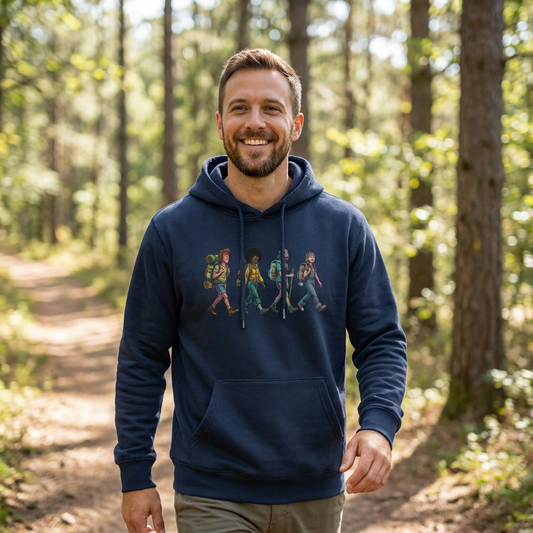
If you’re looking for something warm and easy to pull on after a long day on the mountain, 👉 check out our KLMJRO Hiking Hoodie designed for comfort once the day begins to slow down.
Happy Hiking! 🏔️